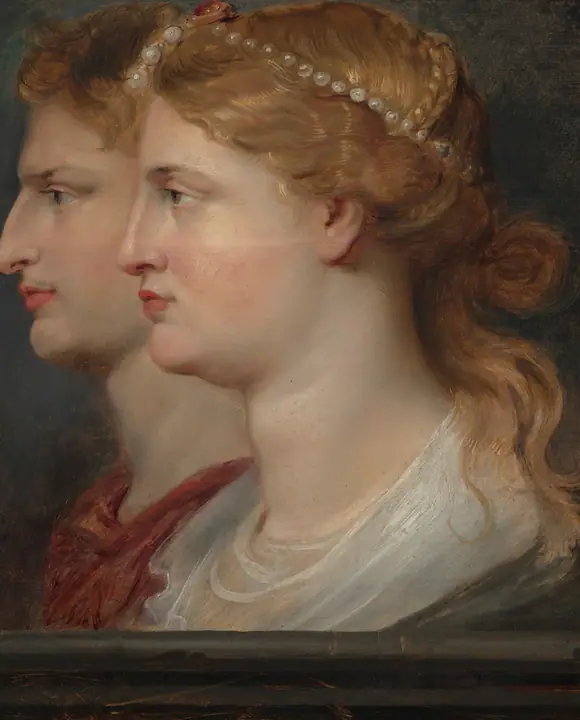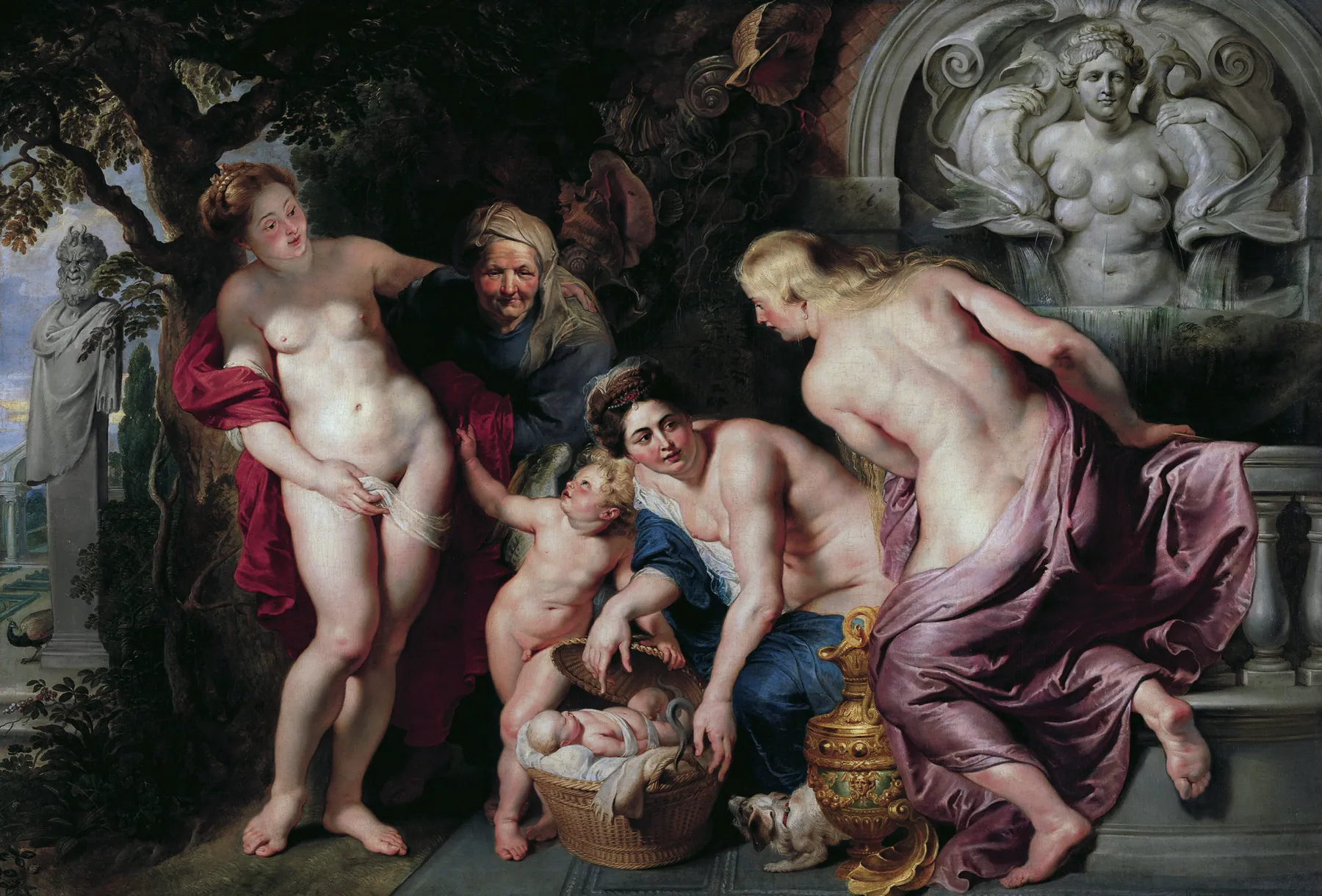
The Discovery of the Infant Erichthonius by the Daughters of Cecrops
Peter Paul Rubens, 1615
From €29Museum-quality print, also on canvas and framed.
Frequently asked questions
Which size should I choose?
This work is available in 30 × 40 cm, 50 × 70 cm, 70 × 100 cm. As a guide: 30 × 40 cm (about 12 × 16 in) for shelves, corners or gallery walls; 50 × 70 cm (about 20 × 28 in) above a dresser, a headboard or a desk; 70 × 100 cm (about 28 × 39 in) as the centrepiece of a living room or the wall above the sofa. Below the buy buttons you can see it to scale above a 2-metre sofa.
Does it come framed?
The print arrives unframed with a white border, ready to frame. If you choose a black or oak frame, it arrives mounted behind acrylic glazing, ready to hang. Canvases come stretched on a wooden frame.
When will it arrive?
Printed to order at the lab closest to your address. It arrives in 4–8 working days in Spain and the EU, and in 6–12 working days in the US, Mexico and other destinations.
What if it arrives damaged?
Email us a photo within 30 days of delivery and we will send you a new one free of charge or refund you.
Can I send it as a gift?
Yes. At checkout you can write a gift message and ship it to the recipient's name and address. The parcel shows no prices.
About the work
- Artist
- Peter Paul Rubens
- Date
- 1615
- Collection
- Liechtenstein Museum (The Princely Collections, Vaduz-Vienna)
- Print up to
- 70 × 100 cm
- Reference
- XDV-3529
What the museum label doesn't tell you
The little white dog is the only character reacting honestly. While Cecrops's daughters lean over the basket with polite curiosity, the animal barks in alarm at whatever is peeking out from the swaddling. Rubens knew a human face can fake surprise, raised brows, parted lips, but a dog cannot lie. The scene captures the moment the sisters break their vow never to open the basket holding Erichthonius, as told by Ovid and Pseudo-Apollodorus. Above them, a stone nymph on the fountain watches unmoved, the one witness who already knew how this would end. Painted in 1616, now in the Liechtenstein Museum. Who do you trust more here, the women or the dog?